
The month of Ramadan is a time of mercy, blessings, and forgiveness, when every Muslim observes fasting to seek closeness to Allah. Fasting is not just about staying hungry and thirsty from dawn to dusk — it’s an act of worship that begins with a sincere intention (the Sehri dua) and is completed with the Iftar dua at sunset.
That’s why every fasting person should know the correct Sehri (intention) and Iftar dua, along with their meanings and significance. In this article, we’ll walk you through 150+ variations and forms of these duas, their word-for-word meanings, and the spiritual and physical benefits of observing Roza — so you can strengthen your fast with knowledge as well as faith. Reciting these dua correctly adds spiritual value and sincerity to the fast, connecting the physical act of fasting to its true purpose of devotion.
Introduction to Ramadan
Ramadan is the ninth month of the Islamic lunar calendar and one of the most sacred periods in the Islamic faith. It is a time when Muslims around the world turn their focus toward prayer, self-discipline, and spiritual growth. During this month, fasting from dawn until sunset becomes a daily practice observed by millions of believers as an act of obedience to Allah. Beyond abstaining from food and drink, Ramadan encourages reflection, patience, and gratitude. It is also a time for increased charity, kindness, and community bonding among Muslims. The month holds a special place in Islamic history, as it is believed to be when the Holy Quran was first revealed to Prophet Muhammad (PBUH).
For many, Ramadan is not just a religious obligation but a deeply personal journey of self-improvement. It offers an opportunity to break away from daily distractions and reconnect with one’s faith on a deeper level. Families and communities come together for Sehri and Iftar, strengthening social and spiritual ties. This sense of unity is one of the most beautiful aspects of the month.
Meaning of Ramadan
The word “Ramadan” is derived from the Arabic root “Ramad,” which means intense heat or dryness. This name reflects the spiritual purpose of the month — burning away sins and purifying the soul through fasting and devotion. In Islamic tradition, Ramadan symbolizes a period of cleansing, both physically and spiritually, allowing believers to reset their relationship with Allah. It is seen as a time when hearts are softened and bad habits are replaced with good ones. The deeper meaning goes beyond the literal translation of the word itself.
Islamically, Ramadan represents far more than just abstaining from food and water during daylight hours. It is a month of heightened worship, where every good deed carries greater reward than in other months. Muslims believe that the gates of mercy are opened wide, while the gates of hardship are closed. This makes Ramadan a unique opportunity for spiritual elevation that doesn’t come around at any other time.
The essence of Ramadan lies in sincerity and intention. Simply fasting without the right mindset does not fulfill the true purpose of the month. Believers are encouraged to fast not out of habit, but with genuine devotion and awareness of its deeper meaning.
The Purpose of Fasting
Fasting, or Roza, serves multiple purposes within Islam, both spiritual and practical. At its core, it is meant to build Taqwa, or God-consciousness, helping believers become more mindful of their actions and closer to Allah. By abstaining from food, drink, and other worldly desires from dawn to dusk, Muslims learn the value of self-control and discipline. This practice also allows individuals to experience empathy for those who face hunger and poverty on a daily basis. Fasting is not merely a physical act but a spiritual exercise that touches every aspect of a believer’s life. It teaches patience in the face of difficulty and strengthens one’s willpower against temptation.
Another important purpose of fasting is purification of both body and soul. Refraining from food allows the digestive system to rest, while abstaining from bad habits like gossip or anger helps cleanse negative traits from one’s character. This dual purification makes Ramadan a holistic month of self-improvement. Muslims are encouraged to use this time to break free from harmful routines and build better, more mindful ones.
Ultimately, fasting draws a person nearer to their Creator through sacrifice and devotion. It is an act of worship that requires no outward display, making it purely between the individual and Allah. This sincerity is what gives fasting its true spiritual power.
Significance of Ramadan and Fasting
Ramadan holds a position unlike any other month in the Islamic calendar, carrying weight that touches every part of a believer’s life. It is a month where worship is multiplied, sins are forgiven, and hearts are renewed through sincere devotion. The significance of this month extends beyond personal worship into social, spiritual, and even physical dimensions. Fasting during Ramadan is not just a ritual but a comprehensive system of growth and reflection. Understanding its true significance helps Muslims make the most of this blessed opportunity.
- Ramadan is the month the Holy Quran was first revealed
- Fasting is one of the Five Pillars of Islam
- It teaches self-discipline and control over desires
- Ramadan strengthens a person’s connection with Allah
- The gates of Jannah are believed to open during this month
- The gates of Hell are said to be closed in Ramadan
- Shayateen (devils) are chained during this blessed month
- Fasting builds empathy for the poor and hungry
- It purifies the soul from sins and bad habits
- Ramadan encourages increased Quran recitation
- Charity (Sadaqah) is highly rewarded during this month
- Taraweeh prayers are a special feature of Ramadan nights
- Laylatul Qadr, the Night of Power, falls in this month
- Fasting improves patience and emotional control
- It reduces reliance on material comforts
- Ramadan fosters unity among family and community
- It offers a chance to break bad habits and addictions
- Good deeds carry multiplied rewards during Ramadan
- It teaches gratitude for blessings often taken for granted
- Fasting has scientifically proven health benefits
- Ramadan renews focus on daily prayers (Salah)
- It ends with the joyous celebration of Eid-ul-Fitr
The significance of Ramadan lies in its ability to transform a believer from within. It is a month designed to reset spiritual priorities and strengthen faith through consistent practice. Every act performed during this month, big or small, carries deeper meaning and reward. This is why Muslims eagerly anticipate its arrival each year.
Roza Rakhne Ki Dua (Sehri Ki Niyat) in Arabic
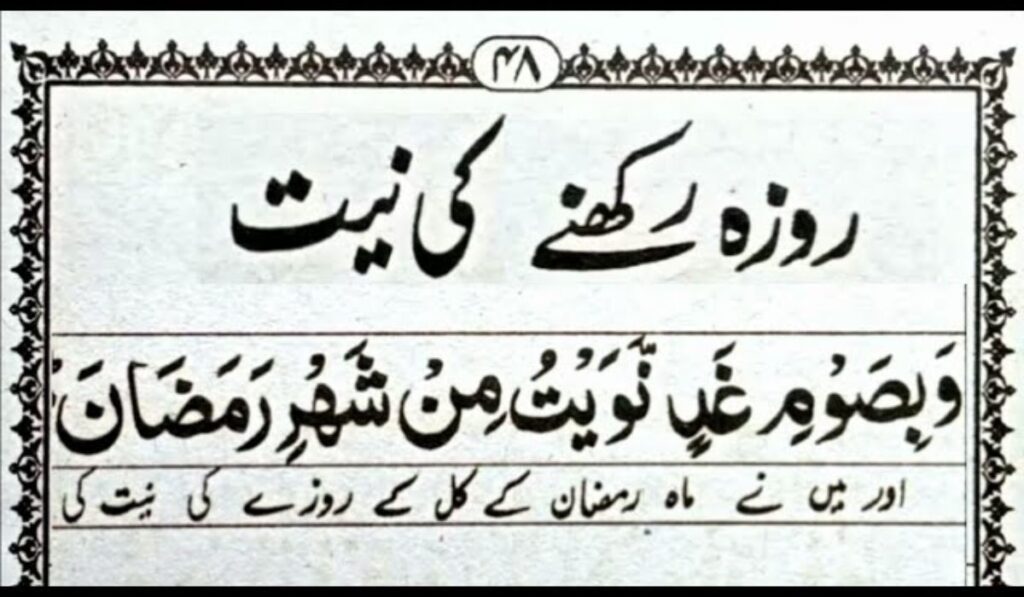
The intention, or Niyat, to fast is a fundamental part of observing Roza correctly in Islam. Before dawn, during Sehri, Muslims recite a specific Arabic dua to formally express their intention to fast for the sake of Allah. This dua is simple yet powerful, reflecting sincerity and devotion at the very start of the fasting day. Reciting it in Arabic connects the worshipper to the traditional practice passed down through generations. It sets the spiritual tone for the entire day of fasting ahead.
The Arabic dua for Sehri Niyat is: “Wa bisawmi ghadinn nawaytu min shahri Ramadan.” This phrase expresses the intention to fast the following day in the month of Ramadan, dedicating the act solely to Allah. It is recommended to recite this dua after eating Sehri, though the intention itself can also be made silently in the heart. The Arabic wording carries spiritual weight and is preferred by many for its authenticity and connection to tradition.
While reciting the Arabic dua is a beautiful practice, scholars agree that intention is primarily a matter of the heart rather than verbal recitation. Still, saying the dua aloud or silently helps reinforce commitment and mindfulness before the fast begins. Many Muslims memorize this short phrase early in life, making it a natural part of their Ramadan routine. It serves as a gentle reminder of the purpose behind the fast each day.
Roza Rakhne Ki Dua with Urdu & English Meaning
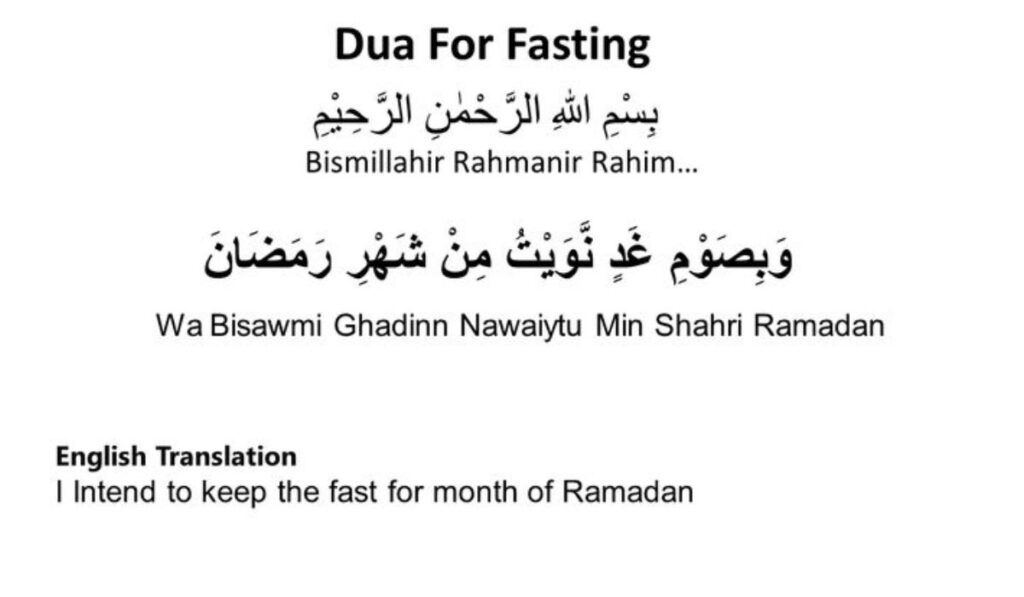
Understanding the meaning behind the Sehri Niyat dua adds depth to the act of fasting itself. In Urdu, the dua translates to: “Main ne kal ke roze ki niyat ki, Ramadan ke mahine mein, Allah ke liye.” This simple sentence carries profound spiritual significance, as it formally dedicates the fast to Allah alone. Knowing the meaning helps worshippers connect emotionally and spiritually with the words they recite. It transforms the dua from a memorized phrase into a heartfelt declaration.
In English, the dua means: “I intend to keep the fast tomorrow in the month of Ramadan, for the sake of Allah.” This translation makes it accessible to non-Arabic and non-Urdu speakers who wish to understand and recite it correctly. The core message remains the same across languages — a sincere commitment to fast solely for Allah’s pleasure. Understanding this meaning is especially helpful for new Muslims or younger family members learning the practice.
Whether recited in Arabic, Urdu, or English, the essence of the Niyat dua remains unchanged. It is a declaration of intention, discipline, and devotion made at the start of each fasting day. This clarity of meaning helps Muslims fast with greater awareness rather than out of mere habit. Ultimately, the language matters less than the sincerity behind the words spoken.
Roza Kholne Ki Dua (Iftar Ki Dua)
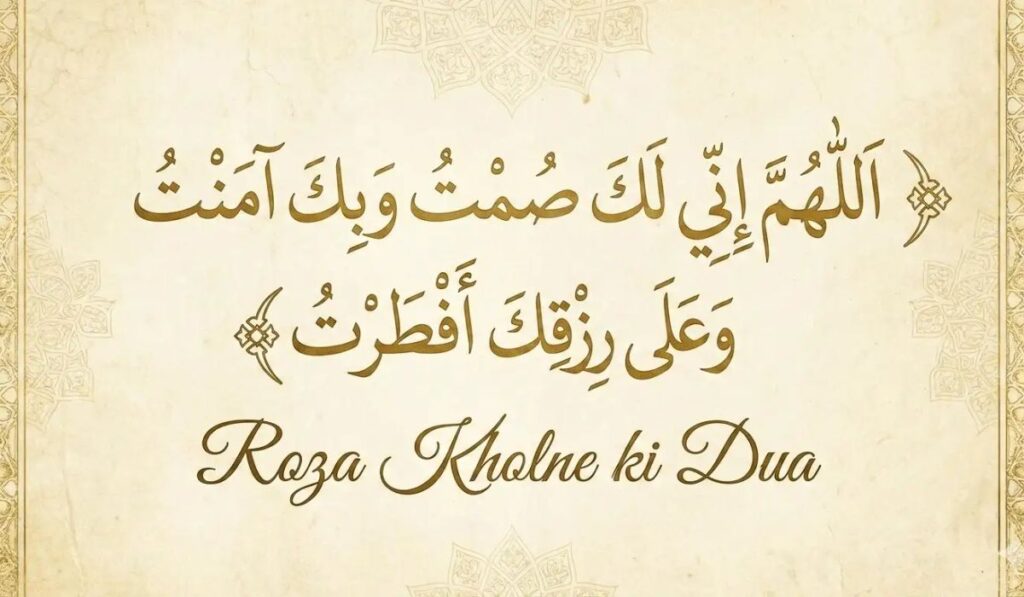
Breaking the fast at sunset is one of the most anticipated moments of the day during Ramadan. Just as Sehri begins the fast with intention, Iftar concludes it with a dua of gratitude and acceptance. This moment is considered highly blessed, as it is believed that a fasting person’s dua is readily accepted at the time of breaking fast. Muslims traditionally break their fast with dates and water before offering the Iftar dua. This practice follows the Sunnah of Prophet Muhammad (PBUH) and holds deep spiritual meaning.
- The Iftar dua is recited immediately before or while breaking the fast
- It is common practice to break the fast with dates first
- Water is also a traditional way to open the fast
- The dua expresses gratitude to Allah for completing the fast
- It acknowledges reliance on Allah’s sustenance throughout the day
- Many Muslims raise their hands while reciting this dua
- The dua is often recited in Arabic for authenticity
- English and Urdu translations help understanding for all ages
- Family members often recite the dua together at Iftar time
- It marks the transition from fasting to eating
- The moment of Iftar is considered spiritually powerful
- Duas made at Iftar time are believed to be readily accepted
- It reflects humility and thankfulness before Allah
- Reciting the dua reinforces the purpose of the entire fast
- Children are taught this dua from a young age
- It is recommended to recite the dua before eating begins
- The Prophet (PBUH) emphasized promptness in breaking the fast
- Community Iftars often include collective dua recitation
- The dua reminds believers of Allah’s continuous blessings
- It closes the spiritual cycle that began with the Sehri Niyat
- Sincerity in the dua enhances its spiritual value
- It is a moment of joy, gratitude, and renewed faith
The Iftar dua beautifully closes the circle of a day’s worship through fasting. It reminds believers that every fast, no matter how challenging, is ultimately for the sake of pleasing Allah. This moment of breaking fast becomes a reflection of patience rewarded and faith strengthened. It leaves a lasting impression of gratitude that carries into the following day.
Roza Rakhne Ki Dua Kab Parhni Chahiye?
Timing plays an important role in properly observing the intention for fasting each day. Many people wonder exactly when the Sehri Niyat dua should be recited to ensure the fast is valid. Islamic teachings provide clear guidance on the best time to make this intention. Understanding this timing helps avoid confusion, especially for those new to fasting. It also ensures the spiritual and religious requirements of the fast are properly fulfilled.
- The Niyat should ideally be made during the night before the fast
- It can be recited anytime after Maghrib until just before dawn
- Most Muslims prefer reciting it right after eating Sehri
- The dua must be made before Fajr (dawn) prayer begins
- Intention in the heart alone is sufficient according to many scholars
- Verbal recitation simply reinforces the heart’s intention
- It is not necessary to say the dua loudly for validity
- Sleeping with the intention to fast is also considered valid
- The Niyat does not need to be repeated multiple times nightly
- One intention covers the entire day’s fast
- It is recommended, though not obligatory, to say it after Sehri
- Missing the exact wording does not invalidate a sincere intention
- The key requirement is intending to fast before Fajr time
- Different scholars have varying opinions on exact timing flexibility
- For obligatory Ramadan fasts, general intention the night before suffices
- Nafl (voluntary) fasts have more flexible intention timing rules
- The intention should be specific to the day of fasting
- It is best practice to combine verbal and heartfelt intention
- Sehri time itself is considered the most blessed time to recite it
- Setting an alarm for Sehri helps ensure proper timing
- Many families recite the dua together during Sehri meals
- Consistency in timing helps build a strong fasting routine
Getting the timing right for the Niyat dua ensures that the fast is both valid and spiritually meaningful. While flexibility exists within Islamic teachings, reciting it during Sehri remains the most common and recommended practice. This habit helps fasting become a mindful, intentional act rather than a routine obligation. Following this guidance allows believers to fast with confidence and clarity.
Do you need to verbally say the intention to keep a fast?
One of the most common questions among Muslims, especially those new to fasting, is whether the Niyat must be spoken aloud. According to the majority of Islamic scholars, intention is fundamentally a matter of the heart rather than the tongue. This means that a person can validly intend to fast simply by deciding within themselves to observe the fast the next day. The verbal recitation of the dua is considered a recommended practice, not an obligatory one. Understanding this distinction brings comfort to those who may forget the exact wording of the dua.
Saying the intention out loud does carry spiritual and psychological benefits, even if it isn’t strictly required. Verbalizing the Niyat helps reinforce commitment and mindfulness before the fast begins each day. It also serves as a teaching tool, especially for children who are learning the practice of fasting for the first time. Many families choose to recite the dua together as part of their Sehri routine for this reason. This shared practice strengthens both individual devotion and family bonding during Ramadan.
Ultimately, what matters most is the sincerity of the intention rather than the specific words used to express it. A person who wakes up for Sehri, eats with the purpose of fasting, and mentally commits to the fast has fulfilled the requirement of Niyat. The verbal dua simply adds an extra layer of mindfulness and tradition to this personal commitment. Both approaches, silent and spoken, are considered valid according to Islamic teachings.
Roza Rakhne Ki Fazilat aur Health Benefits
Fasting during Ramadan carries immense spiritual reward, known as Fazilat, that goes beyond the physical act itself. Islamic teachings describe fasting as a shield against sin and a means of drawing closer to Allah’s mercy. Alongside these spiritual rewards, modern science has also recognized numerous physical health benefits associated with fasting. This unique combination of spiritual and physical benefits makes Roza a truly holistic practice. Understanding both dimensions helps believers appreciate the full value of this obligation.
The virtues of fasting are mentioned extensively in Islamic teachings, highlighting rewards that are exclusive to this act of worship. At the same time, health experts continue to study and confirm the positive effects fasting has on the human body. From improved metabolism to enhanced mental clarity, the benefits extend well beyond religious observance. This dual nature of reward makes Ramadan fasting especially meaningful for millions of Muslims worldwide.
- Fasting is described as a shield against sinful behavior
- Rewards for fasting are said to be given directly by Allah
- It cleanses the soul from arrogance and bad habits
- Fasting increases patience and emotional resilience
- It strengthens willpower and self-discipline
- Roza helps develop empathy for those less fortunate
- It improves insulin sensitivity and blood sugar control
- Fasting supports healthy weight management
- It promotes detoxification of the body
- Roza allows the digestive system time to rest and repair
- Fasting has been linked to improved heart health
- It may support brain function and mental clarity
- Fasting can reduce inflammation in the body
- It encourages mindful and controlled eating habits
- Roza helps break unhealthy food addictions
- It improves sleep patterns for many individuals
- Fasting supports cellular repair processes (autophagy)
- It can boost immune system function
- Roza reduces reliance on caffeine and sugar
- It teaches gratitude for basic necessities like food and water
- Fasting improves focus and productivity during the day
- Roza strengthens spiritual connection through increased worship
- It creates a sense of community through shared fasting experiences
The combined spiritual and physical benefits of Roza make it a powerful practice for holistic well-being. Muslims are encouraged to view fasting not as a burden but as an opportunity for growth. This balance of body and soul purification is what makes Ramadan truly transformative each year.
Sehri aur Roza Se Related Important Sunnah
Following the Sunnah, or practices of Prophet Muhammad (PBUH), adds immense value and reward to the act of fasting. These prophetic traditions guide Muslims on how to properly observe Sehri and maintain their fast throughout the day. Incorporating these Sunnahs not only increases spiritual reward but also makes the fasting experience more manageable. Many of these practices have practical health benefits alongside their religious significance. Understanding and following these traditions helps Muslims fast in the most complete and rewarded manner.
The Prophet (PBUH) placed great emphasis on specific habits related to both Sehri and the overall fasting day. These teachings cover everything from what to eat, when to eat, and how to conduct oneself while fasting. Adhering to these Sunnahs transforms fasting from a simple act of abstinence into a comprehensive spiritual practice. Below are some of the most important Sunnahs related to Sehri and Roza.
- Eating Sehri is itself a recommended Sunnah practice
- Delaying Sehri until closer to Fajr time is encouraged
- Eating dates during Sehri follows prophetic tradition
- Drinking sufficient water during Sehri prevents dehydration
- Making dua after eating Sehri is highly recommended
- Avoiding overeating during Sehri supports better fasting
- Sleeping early to wake up for Sehri is advised
- Breaking the fast promptly at Maghrib time is a Sunnah
- Breaking fast with dates follows the Prophet’s example
- Reciting the Iftar dua before eating is recommended
- Avoiding arguments and anger while fasting is emphasized
- Controlling one’s tongue from backbiting during Ramadan
- Increasing Quran recitation throughout the fasting day
- Giving charity generously during the month of Ramadan
- Performing Taraweeh prayers during Ramadan nights
- Maintaining regular five daily prayers without delay
- Avoiding excessive sleeping during fasting hours
- Staying away from unnecessary arguments or disputes
- Making extra dua, especially in the last portion of the night
- Seeking forgiveness frequently throughout the day
- Sharing Iftar meals with family, neighbors, or the needy
- Maintaining honesty and good character while fasting
Following these Sunnahs allows Muslims to fast in a manner that closely mirrors the practice of Prophet Muhammad (PBUH). This not only increases the spiritual reward of fasting but also makes the experience healthier and more balanced. Incorporating even a few of these habits can significantly enhance one’s Ramadan experience.
Common Mistakes While Fasting
While fasting is meant to be a spiritually enriching experience, many people unknowingly make mistakes that reduce its benefits. These errors often stem from a lack of awareness rather than intentional wrongdoing. Recognizing common mistakes helps Muslims fast more effectively and gain the full reward of their efforts. Some mistakes are related to physical habits, while others involve behavior and mindset during the fasting day. Addressing these issues can greatly improve both the spiritual and physical experience of Ramadan.
Many fasting mistakes are simple to correct once identified and understood properly. From poor eating habits at Sehri to negative behavior during the day, small adjustments can make a significant difference. Being mindful of these common pitfalls allows believers to make the most of their fasting experience. The following list highlights frequent mistakes made during Ramadan.
- Skipping Sehri altogether before starting the fast
- Overeating during Sehri, causing discomfort throughout the day
- Not drinking enough water during non-fasting hours
- Consuming excessive caffeine, leading to dehydration
- Sleeping through Sehri time and missing the meal
- Engaging in arguments or losing temper while fasting
- Backbiting or gossiping during the fasting hours
- Overeating during Iftar, negating health benefits
- Breaking the fast with heavy, oily foods immediately
- Delaying the fast-breaking without valid reason
- Neglecting daily prayers despite fasting
- Spending excessive time on distractions instead of worship
- Ignoring the spiritual purpose behind fasting
- Complaining excessively about hunger or thirst
- Wasting food during Iftar preparations
- Skipping Taraweeh prayers without valid reason
- Not making sincere intention before the fast
- Neglecting charity and good deeds during Ramadan
- Focusing only on food rather than spiritual growth
- Staying up late unnecessarily, disrupting sleep patterns
- Not reciting Quran regularly during the month
- Treating fasting as a burden rather than worship
Avoiding these common mistakes allows Muslims to experience Ramadan in its truest and most rewarding form. Small changes in habits and mindset can significantly enhance the spiritual value of fasting. Being mindful throughout the day helps transform fasting into a truly meaningful act of worship.
As Prophet Muhammad (PBUH) Said About Fasting
Prophet Muhammad (PBUH) spoke extensively about the virtues and importance of fasting throughout his teachings. He emphasized that fasting is not merely about abstaining from food and drink, but about disciplining the entire self, including speech and behavior. The Prophet (PBUH) taught that fasting serves as a shield, protecting believers from sin and negative influences throughout the day. He also highlighted that the reward for fasting is uniquely given by Allah, reflecting its special status among acts of worship. His teachings encouraged Muslims to combine outward abstinence with inward purification for a truly complete fast. Many of his sayings remind believers that fasting without controlling one’s tongue and actions loses much of its spiritual value. These teachings continue to guide how Muslims approach fasting today, emphasizing sincerity over mere ritual. The Prophet’s example remains the foundation for understanding the true essence of Roza.
His guidance also stressed the importance of promptness in breaking the fast and encouraged eating Sehri as a blessed practice. These teachings collectively shape the way Ramadan is observed by Muslims around the world today. They serve as a timeless reminder that fasting is as much about character as it is about hunger and thirst.
Qaza Roza Rakhne Ki Niyat Ka Tarika
Qaza roza un fasts ko kaha jata hai jo kisi wajah se Ramadan mein chhoot jayen aur baad mein unhe poora karna zaroori ho jata hai. Aksar log bimari, safar, ya doosri majboori ki wajah se apne roze qaza kar dete hain aur unhe baad mein poora karna hota hai. Qaza roze rakhne ke liye bhi sahi niyat karna zaroori hai, jaisay Ramadan ke normal rozon mein kiya jata hai. Yeh niyat dil se bhi ki ja sakti hai ya phir zubaan se bhi ada ki ja sakti hai.
Qaza roze ki niyat karte waqt sirf itna zaroori hai ke aap dil se iraada karen ke aap kal ka chhoota hua roza poora kar rahe hain, sirf Allah ki raza ke liye. Is niyat mein specific tareekh ya wajah zikar karna zaroori nahi, sirf iraada saaf hona chahiye. Yeh niyat bhi Sehri ke waqt ya raat ko so ne se pehle ki ja sakti hai, jaisa ke normal roze mein hota hai.
Qaza roze rakhne mein flexibility hoti hai ke inhe Ramadan ke ilawa saal ke kisi bhi din rakha ja sakta hai, sivaye un dinon ke jin mein roza rakhna mana hai. Yeh zaroori hai ke jitni jaldi mumkin ho utni jaldi qaza roze poore kar liye jayen taake koi kotahi na rahe.
- Qaza roza un fasts ke liye hota hai jo Ramadan mein chhoot jayen
- Bimari ki wajah se chhoota roza qaza karna zaroori hota hai
- Safar ki wajah se bhi roza qaza ho sakta hai
- Haiz ya nifas ki halat mein aurtein roza qaza karti hain
- Qaza roze ki niyat dil se karna kaafi hota hai
- Zubaan se niyat karna mustahab hai, farz nahi
- Niyat mein specific tareekh batana zaroori nahi
- Sirf “kal ka qaza roza rakhta/rakhti hoon” kehna kaafi hai
- Niyat raat ko so ne se pehle bhi ki ja sakti hai
- Sehri ke waqt niyat karna behtareen tarika hai
- Qaza roze Ramadan ke ilawa kisi bhi mahine mein rakhe ja sakte hain
- Eid ke dinon mein roza rakhna mana hai
- Zil Hajj ki 10 tareekh ko roza rakhna mana hai
- Jitni jaldi mumkin ho qaza roze poore karne chahiye
- Agla Ramadan aane se pehle qaza roze mukammal karna behtar hai
- Har chhoota hua roza alag se qaza karna hota hai
- Niyat mein Allah ki raza ka zikar karna mustahab hai
- Qaza roze ki koi alag dua ya wazifa nahi hai
- Normal roze wali hi niyat ka tarika istemal hota hai
- Qaza roze bhi Sehri aur Iftar ke sath rakhe jate hain
- In rozon ka sawab bhi Allah ki taraf se milta hai
- Waqt par qaza puri karna zimmedari samjha jata hai
Qaza roza rakhna ek zimmedari hai jo har Muslim par farz hoti hai jab wo apna Ramadan ka roza kisi wajah se poora nahi kar pata. Sahi niyat aur sincere iraade ke sath yeh roze bhi utne hi ajar wale hote hain jitna waqt par rakha gaya roza.
FAQs
Roza rakhne ki dua kya hai?
Roza rakhne ki dua hai: “Wa bisawmi ghadinn nawaytu min shahri Ramadan,” jiska matlab hai kal ke roze ki niyat karna Ramadan ke mahine mein.
Sehri ki niyat kab karni chahiye?
Sehri ki niyat Sehri khane ke baad ya Fajr se pehle kabhi bhi ki ja sakti hai, dil se ya zubaan se.
Kya roze ki niyat zubaan se kehna zaroori hai?
Nahi, niyat asal mein dil ka iraada hai; zubaan se kehna sirf mustahab (recommended) hai, farz nahi.
Iftar ki dua kya hai aur kab parhni chahiye?
Iftar ki dua roza kholte waqt, dates ya paani se roza kholne se pehle ya turant baad mein parhi jati hai.
Agar Sehri ki niyat bhool jayen to kya hoga?
Agar zubaan se niyat bhool jayen lekin dil mein roza rakhne ka iraada ho, to roza phir bhi valid mana jata hai.
Qaza roze ki niyat kaise ki jati hai?
Qaza roze ki niyat bhi normal roze jaisi hoti hai — sirf dil se iraada karna ke “kal ka qaza roza rakh raha/rahi hoon.”
Kya bina Sehri khaye roza rakha ja sakta hai?
Ji haan, roza bina Sehri khaye bhi valid hota hai, lekin Sehri khana Sunnah aur mustahab amal hai.
Conclusion
Roza rakhna sirf ek ibadat nahi balke Allah se qurbat hasil karne ka zariya hai, jo sahi niyat aur khalis iraade se shuru hoti hai. Sehri ki dua se le kar Iftar ki dua tak, har qadam mein sincerity aur shukar guzari shamil honi chahiye. Yeh mahina sirf bhookay rehne ka nahi balke apni zindagi ko behtar banane ka mauka hai. Isi liye har Musalman ko in duaon aur unke maqsad ko samajhna zaroori hai.
Ramadan ke rozon ko sahi tareeqay se ada karna, Sunnah par amal karna, aur ghaltiyon se bachna is ibadat ko mukammal banata hai. Chahe woh normal roza ho ya qaza roza, niyat ki sacchai hi asal buniyad hai. Umeed hai ke yeh guide aapko Roza Rakhne Ki Dua aur uske maqsad ko behtar samajhne mein madad karegi. Allah hum sab ko sahi tareeqay se roza rakhne ki tofeeq de.

- 150+ School Memories Quotes to Cherish Forever - September 18, 2026
- 150+ Classy Beautiful Woman Quotes to Inspire You - September 17, 2026
- 150+ Happy Matriculation Wishes and Congratulations Messages - September 15, 2026